It seems like we’re paying more attention to our health than ever before, with billionaires trying biohacking during a wellness boom and more people wanting to do exercises that will help them live longer. You might not just want to live longer, but exercise clearly helps you stay active and independent as you get older and lowers your risk of getting sick.
Do exercises that promote longevity really help you live longer?
People were made to move their bodies on a regular basis. Experts say that getting regular exercise that raises your heart rate is just as important for living a long life as eating well and staying away from cigarettes and alcohol. Dr. Alka Patel is a lifestyle and longevity doctor who started the Million Hour Club. She says that working out isn’t just about how you look. It keeps your mitochondria working well, lowers inflammation, and keeps your heart strong for years to come. Movement is the best medicine if you want to live longer.
Dr. Kai Koch is a consultant doctor at Marylebone Health who agrees with this. He uses data from the World Health Organization to show that almost a third of adults around the world don’t get enough exercise. If things keep going the way they are, this number will rise by about 5% over the next ten years and reach 35% by 2030. Now, physical activity is known to be the most important thing you can do to improve your overall health.

Also, muscle mass is important. Rhodri Whittaker is a personal trainer at Absolute Body Solutions. He says that muscle mass is like armour for the body. Muscle does a lot of things, but one of the most important is that it protects your bones and joints, which makes it easier for you to survive falls. As you get older, keeping your muscles strong will help you stay healthy.
The Science of Longer Life
Before we talk about what you should do and when you should work out, it’s important to know how a good workout can help you now and in the future. Many studies have been done on this subject. The British Journal of Sports Medicine published a study that found that the best way to lower death rates is to do 150 to 300 minutes of moderate exercise or 75 to 150 minutes of intense exercise each week. This supports current exercise guidelines. Exercise also helps slow down one of the most obvious signs of ageing. Experts like Patel think that telomeres are mostly what show how old someone is.
These are the caps that protect the ends of chromosomes. As we get older, our telomeres get shorter, and there is currently no way to stop this from happening. But we can make it go slower. Patel says that a study in Oncotarget found that adults who work out regularly have telomeres that are much longer than those who don’t. This means that exercise may help people live longer at the cellular level. How does exercise help you live longer besides telomeres? Patel says that exercise has a lot of biological benefits that make you healthier and help you live longer.
Some of these benefits are:
- Mitochondrial Biogenesis: Patel says that working out makes new mitochondria, which boosts energy production and lowers oxidative stress. This is important for slowing down the ageing process at the cellular level.
- Insulin Sensitivity: Working out often makes the body better able to use insulin. This helps keep blood sugar levels stable and lowers the risk of type 2 diabetes, which is linked to faster ageing.
- Lessening Inflammation: Long-term inflammation is what makes people age and get sick. Exercise changes the way inflammation works and lowers levels of markers like CRP and IL-6.
Patel says that exercise raises the level of brain-derived neurotrophic factor (BDNF), which protects the brain. This helps keep brain cells healthy and mental function, which is important for lowering the risk of dementia and keeping your mind sharp. In short, exercise is also good for your brain.
When working out might not work out
After we all finished running, our knees and lungs felt like they belonged to someone much older. Does that mean we are really healthy? Some athletes joke that their sport makes them get older faster than other people. They aren’t talking about getting fit; they’re talking about how their wrists, backs, ankles, and elbows hurt from doing the same things over and over. Patel says that there is a paradox at work here. Exercise makes the body inflamed, and long-term inflammation speeds up the ageing process.
The key is to find the right amount of exercise that helps your body adjust without hurting it too much. It is normal for exercise to hurt your muscles a little bit. That’s how we get stronger. When you have inflammation, it sends building materials to the hurt areas so they can fix themselves and stay safe while they do it. But inflammation is also linked to serious health issues, such as cancer. What should we do now? Patel wants to know how to tell if you’re getting enough exercise.

You have a few options. You can get a kit that tells you your biological age and lets you cut back on your workouts if the numbers are bad. You can keep an eye on your heart rate variability (HRV) because a low HRV means your body isn’t healing well. You can also test how much oxygen your body uses during exercise by measuring your VO2 Max. Patel says this is the best sign of how long you will live because it shows how fit your heart and lungs are.
You should work out less if your test results aren’t what you want them to be. You can find out what works best for you by working with a physiologist. Whittaker also suggests that you get some sleep. He says that it is much more important for recovery than any of the other popular recovery methods, like cold plunges, red light therapy, or Theraguns. Sometimes all you need is a good night’s sleep if you’re sore. They’ve
Simple Ways to Stay Active Every Day
It is great for your health and longevity to go to the gym or run a few times a week. But moving more shouldn’t just happen during certain workout sessions. You should try to move more all day long. Koch gives a few ideas: Cut down on time spent sitting. Instead of a regular chair, you could try using a standing desk or sitting on an exercise ball. Taking breaks to move around every so often can help lessen the bad effects of sitting at a desk for long periods of time every day.
Make sure to include exercise snacks in your daily routine. Look for easy ways to add short bursts of exercise to your daily routine. While you wait for the kettle to boil, you could do bodyweight squats or walk or bike part of the way to work. You could suggest going for a walk with your friends instead of sitting down for coffee. Make more friends. Koch says that loneliness is strongly linked to shorter lifespans, even though this isn’t directly related to exercise.
Holt-Lunstad’s research showed that being alone can raise the risk of death from any cause by as much as 50%. Being friendly and trying to connect with others could help you live longer and make the people around you live longer too. Keep your stress levels under control. Mental and physical health are closely linked, and both affect how long we live. Koch says that there is a clear link between mental health problems and how long you live. If you have a lot of stress for a long time, your chances of dying young go up. If you already stretch after working out, think about adding five minutes of deep breathing exercises to help your mental health too.
Best Exercises for Living Longer
We’ve talked about a lot of things, but the main point is still the same: you need to move your body. Jim Pate is a senior physiologist at Marylebone Health. He says that you should do three to four cardiovascular workouts a week. Two sessions should last between 30 and 45 minutes and be more intense. The last two sessions should last longer, but the pace should stay steady and moderate. You should also add two strength training sessions to your routine. One session should focus on single exercises that work on specific muscle groups. The second session should be a circuit with four or five different exercises. You should do 15 or more reps of each exercise in the circuit.
This is what your circuit might look like:
- Pate says that squats work the leg muscles and can be changed to fit people of all levels of strength and ability. They use a lot of muscle mass and involve a lot of different muscle groups. This makes the training stimulus stronger, which helps build muscle.
- Lunges Pate says that lunges are like walking in that they move your body in the same way. The uneven position of your body during a lunge makes it harder to stay stable and helps you balance better. It also works different muscle groups than a symmetrical stance exercise like the squat.
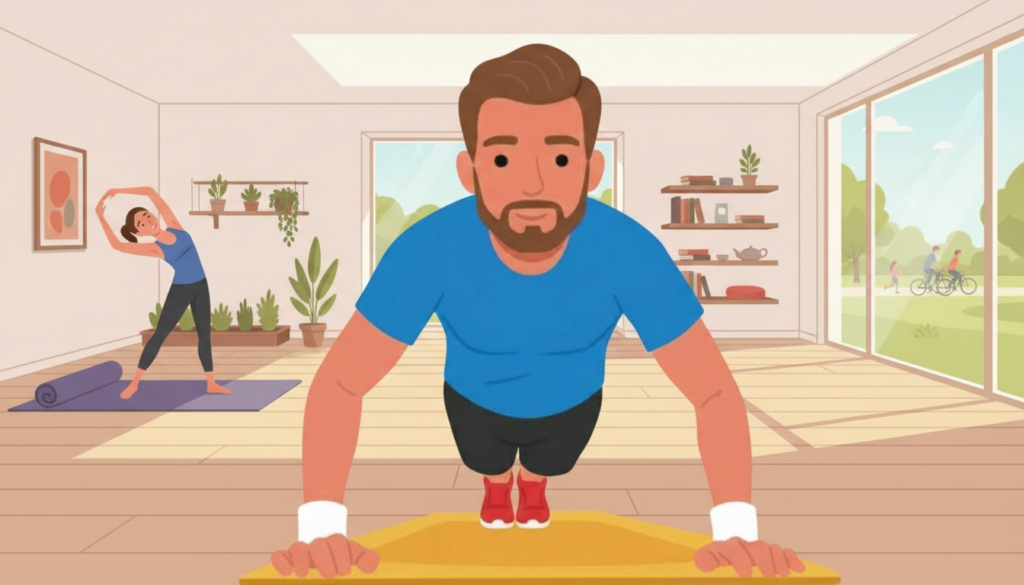
- Push-ups are a great way to build and keep strength and function in your upper body, says Pate. The exercise is based on how much you weigh, which makes it very useful. It is also easy to change for people with different skills.
- Pull exercises are a big part of functional movement, according to Pate. Grip strength or how long you can hang still are good signs of your overall health and, therefore, your longevity. Rowing exercises are the opposite of pushing movements, which helps keep your shoulders healthy and working well.
- Pate says that plank core strength has become a big deal. A good plank can last for about two minutes, which means that the core muscles are strong enough to handle long periods of activity. Whittaker also suggests that you add a weekly yoga class, but only with a small group of people. The trend of doing yoga and pilates is great for people in their 20s who have flexible joints and muscles and tendons that don’t mind being stretched. He says that the injuries we are starting to see, including mine as a physical therapist with my clients, are caused by overstretching in the achilles and hip flexors. The teacher can pay more attention to your needs and help you stay active for longer in smaller classes.
Other Important Things to Do to Live Longer
The last point is pretty clear: everyone gets older, and even though we can try to stay active for as long as we can, time will eventually catch up with all of us. To age gracefully, we need to accept this fact and our physical limits while still working out regularly. Whittaker says that when people are young, they care more about how they look, but as they get older, their priorities change. The focus changes to keeping people from getting hurt so they can stay mobile for as long as possible. But it’s also important to enjoy being active. Think about what you like to do. Walking is a great option, and you could even push yourself by going for a walk along the shore.