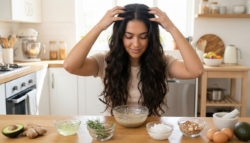
The first time I used henna to colour my hair, the kitchen smelt like an old drugstore, which was strange. The air smelt like wet earth and dried leaves, which made me feel warm and grounded, like the soil had been soaked in hot water. There was a ceramic bowl on the counter with a thick, glossy green paste in it that looked like melted chocolate mixed with crushed plants. I stopped with the spoon in the air, wondering if this muddy mix could really be as good as the shiny boxed dyes from the drugstore. I then dipped the brush in the paste and used it to separate my hair into sections. The henna felt cool, thick, and soothing on my scalp, and it stained my hands as it coated my hair. It had quietly changed how I thought about beauty by the time it washed out.
Henna Hair Dye
Why Henna Still Feels Magical in a World Full of Chemicals
It can be hard to choose a hair dye in a modern store because of the strong chemical smells, big promises, and small print warning labels. A lot of people are okay with using ammonia, peroxide, and synthetic formulas to get the right colour. Henna is a whole new way to do things. Henna comes from the Lawsonia inermis plant and has been used for thousands of years to colour hair, skin, and fabric in a natural way. When mixed with warm liquid, its lawsone pigment slowly releases and bonds with keratin in a gentle way. Henna doesn’t strip hair; instead, it coats each strand in a clear layer of colour that makes hair stronger, shinier, and healthier. The smell of the product, which is more like leaves and tea than perfume, makes colouring your hair a relaxing ritual instead of a rushed chore. It becomes a whole new way to experience colour.
Choosing Henna that is Pure and Honestly Labelled
The most important thing is the quality of the henna. Real henna should be a pure powder that is good for body art and has no metallic salts or synthetic dyes in it. Compound hennas that hide chemicals behind misleading labels cause a lot of bad experiences. Henna of good quality is soft, finely sifted, smells fresh and grassy, and never sparkles or smells fake. Henna loses strength over time, so it needs to be fresh. Reading labels carefully and getting your supplies from reliable sources is now part of the process. You’re not just buying colour; you’re picking a plant that was grown in the sun and soil and carefully harvested and ground. Henna works better and more reliably when you treat it like a living thing with care and respect.
How to Make a Simple Henna Kit
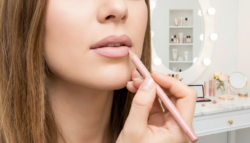
Henna does not require expensive equipment at all. You only need a bowl made of glass, ceramic, or stainless steel, a spoon, gloves, an applicator brush, plastic wrap, and an old towel. You should stay away from reactive metals and always protect your hands and clothes. Patience is more important than tools. Henna takes a long time to work, letting dye out over the course of hours instead of minutes. Henna feels more like making a slow meal than fast food. It’s deliberate, not rushed, and much more satisfying in the end with time and careful preparation.
A Classic Henna Recipe for Copper Colours That Are Warm
The simplest recipe makes soft copper tones. You mix pure henna powder with hot tea until it is the same consistency as yoghurt. If your scalp can handle a little acidity, you can add lemon juice or apple cider vinegar to help the dye come out. Let the mixture sit for four to eight hours, or until the colour gets darker. Apply evenly to clean hair, wrap it up tightly, and leave it on for two to four hours. The colour may look bright orange at first after rinsing, but it will slowly change to a more natural copper or auburn colour over the course of a few days, depending on the colour of the hair and natural copper or auburn tones that develop.
Making Auburn and Brown Colours with Plant Mixes
You can change the colour of henna by mixing it with other plant-based powders for depth. Mixing henna with amla softens brightness, producing cooler auburn tones while supporting hair texture. A two-step process works best for brown or chocolate shades. First, henna is used to make a red base, and then indigo is used to make the colour darker. This method gives you better control and more predictable results, especially on light to medium hair. It can make colours that range from chestnut to almost black with better control and consistent results.
Common Natural Add-Ins and What They Do
- Amla powder cools down strong red tones and adds body, making it perfect for auburn shades that are balanced.
- Indigo powder makes henna darker, turning it into brown or almost black tones. It is often used to cover grey hair.
- Cassia neutral henna makes hair shine by giving it a light golden glow and not changing the colour too much.
- Black tea or coffee makes hair look fuller and richer, especially if it is medium to dark.
- Chamomile tea adds a soft golden warmth to lighter hair that makes it look brighter.
- Aloe vera gel helps dry or fragile hair hold onto moisture better and makes the paste smoother.
- Essential oils such as lavender or rosemary, can make scents stronger and may help with scalp comfort.
Henna Gloss for a Soft Colour and Extra Shine
A henna gloss is a good choice if you want a softer look with subtle warmth. You mix a little bit of prepared henna paste with a conditioner that doesn’t contain silicone and put it on your hair like a mask. You should leave it on for 45 to 90 minutes before rinsing it off. This method adds a little warmth, light highlights, and noticeable shine without changing the colour too much. It also offers a gentle way to try henna before committing fully and enjoy extra shine without harsh effects.
Layering to Find the Right Shade
Henna slowly adds colour. Each application adds depth, richness, and gloss. When the sun shines on light hair, it turns golden copper; when it shines on medium hair, it turns chestnut or auburn; and when it shines on dark hair, it turns red. Instead of going away completely, grey strands turn into warm highlights. It is easier to control henna when you start with lighter applications because it fades slowly. You can always make the shade darker over time without hurting your hair and still keep depth richness and natural shine intact.
Safety, patch testing, and hair history
You still have to take care of natural dyes carefully. You should always do a patch test to see if you’re sensitive. Put a little on your skin, rinse it off, and then watch it for 24 to 48 hours. If hair has been dyed with chemicals before, especially those with metallic salts, you need to be extra careful. Pure henna is usually safe, but low-quality products can cause problems that you didn’t expect. Using oil to protect the hairline, making sure there is enough air flow, and giving the process enough time all help make sure the results are safe and safe and more predictable overall.
Aftercare and Colour Results Over Time
It takes time and warm water to fully remove henna, but it is worth it. A lot of people don’t wash their hair for the first day so the colour can settle. Over the next few days, the shade deepens and stabilizes. Henna colour lasts a long time when you wash it gently and don’t use too many sulphates. Regular root touch-ups or gloss treatments every now and then keep the colour even and the hair strong and shiny with long time when maintained properly.
The Quiet Power of Hair Colour Made from Plants
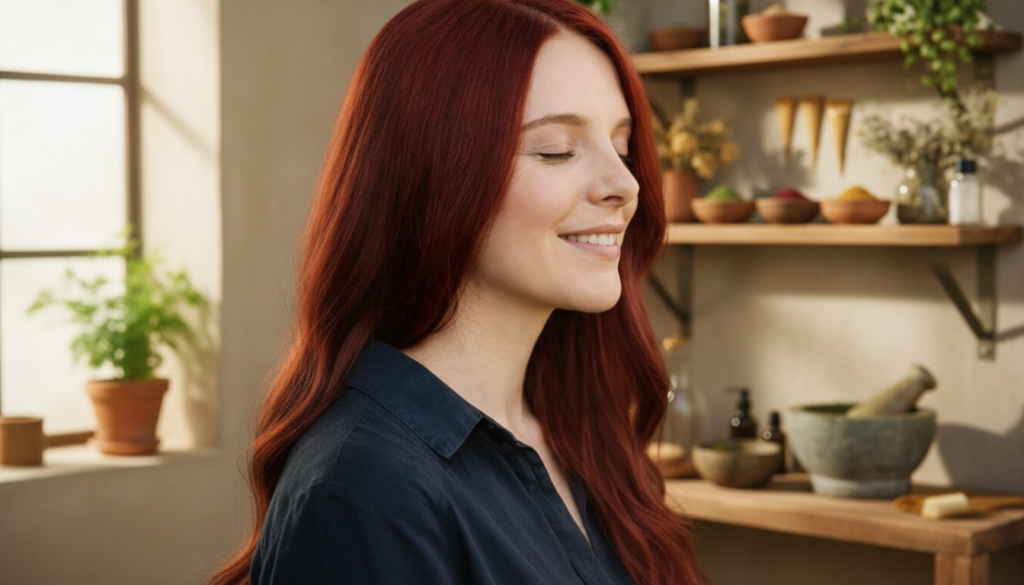
Henna works with your hair, not against it. Greys turn into highlights, and natural differences become part of the look. Choosing henna is a small step away from harsh chemicals and busy schedules. It promotes patience, groundedness, and connection. The end result isn’t a perfectly even salon colour. Instead, it’s a living colour shaped by time, light, and nature that feels personal, grounded, and lasting with living colour shaped by time and nature.