For a long time, people who wanted to cover up their grey hair had to choose between harsh chemical dyes and natural remedies that didn’t work. People who want to darken their hair in a gentler way are now adding something they probably keep next to the coffee to their regular conditioner. This method focuses on subtle blending instead of a big colour change. This is good for people who want their hair to look healthier without putting their ageing strands and sensitive scalps through harsh chemical processing.
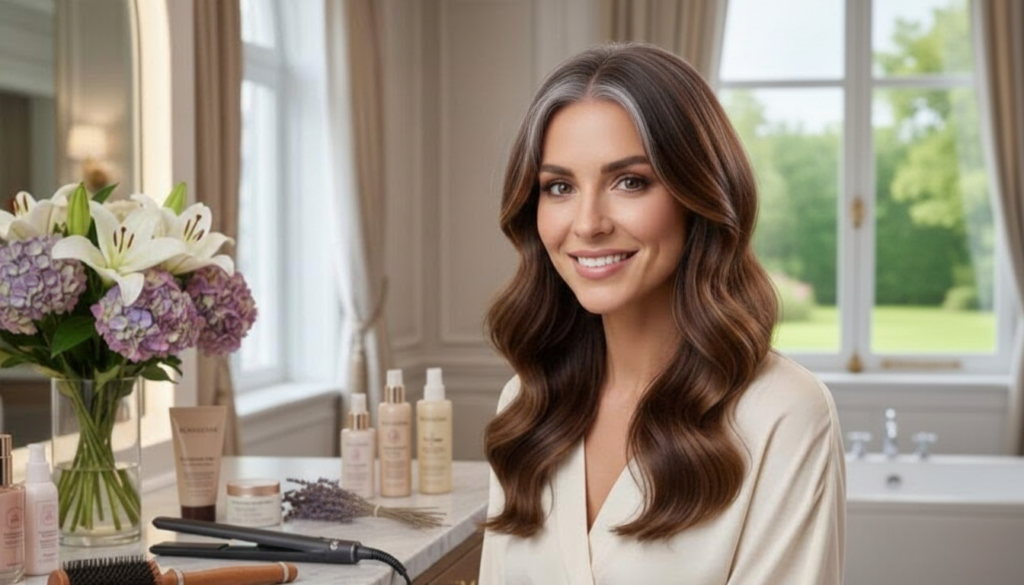
Bye Bye Hair Dye
When pigment cells in hair follicles slow down and stop making melanin, the hair turns grey. Age is a factor, but stress, genetics, smoking, poor nutrition, and some health problems also play a role. At first, there are only a few silver strands, but they spread out over time. A lot of people use permanent or semi-permanent dyes because they work quickly. But colouring your hair over and over again can be hard on your scalp because it uses strong chemicals, takes longer to work, and can cause chemical reactions that can irritate sensitive or older scalps. Hair that doesn’t have any colour is usually drier, more brittle, and less flexible. Dyeing it often can make it rough, easy to break, and dull. Even products that say they are gentle or don’t contain ammonia use oxidative processes that change the structure of hair. These products might work on thick, oily hair in your twenties, but they often feel too harsh on finer, more delicate hair as you get older. People who want alternatives are drawn to natural options like henna or indigo, but the results are very different and hard to fix once they are applied.
The Cocoa Conditioner Trick That Everyone Is Talking About
Cocoa is what makes this happen. This method uses plain cocoa powder that is meant for baking, not sugary drinks. Cocoa has natural pigments and plant compounds that lightly colour hair without hurting the outer layer that protects it. It doesn’t act like permanent dye. Instead, it works like a light filter, giving grey hair a soft brownish tint and making it healthier at the same time. Cocoa has flavonoids and tannin-like compounds that stick to the outside of hair strands. This makes hair look a little darker on grey or light hair, and the effect gets stronger with each use. Cocoa doesn’t change the colour of darker hair very much; instead, it adds warmth and depth. It also protects against free radicals, softens hair, and has a mild astringent effect on the scalp that can help balance oil production when used with regular conditioner.
The Right Way to Mix Cocoa Powder Into Your Conditioner
The method that is becoming popular on beauty forums is surprisingly easy and cheap. You don’t need any special tools. To begin, use it on hair that has been washed and dried with a towel once or twice a week. Put a lot of your regular conditioner into a clean bowl. Formulas that don’t have silicone or have less silicone let pigments stick better. Depending on how long and thick your hair is, add two to four tablespoons of cocoa powder that isn’t sweet. Stir slowly until you get a smooth, chocolate-brown paste with no lumps. Part your hair and apply the mixture evenly, paying special attention to the temples, parting, and crown, which are the most obvious grey areas. Use a wide-tooth comb to comb through your hair. Leave it on for about 20 minutes, or up to 30 minutes for white hair that doesn’t want to change. Wash your hair thoroughly with lukewarm water, massaging the scalp to get rid of any leftover product. Results build up over time, softening the contrast instead of completely replacing the salon colour.
Who Should Try This Method for Grey Hair and Who Should Not
Conditioner with cocoa works best on hair that is not completely white but has some grey in it. It looks good on blondes and light brunettes with very noticeable grey hairs. People with sensitive scalps who don’t like chemical dyes often find this option to be gentler. This method is great for people who want a slow, natural-looking change instead of a big one. Cocoa won’t completely hide grey roots in very dark hair, but it can make the difference between new growth and previously coloured lengths less noticeable. The finish looks more like a tinted gloss than a solid dye. Results are still subtle and low-commitment, so it’s good for people who want to try grey blending instead of full coverage.

What Will Probably Happen After Using Cocoa
Fine strands that are mostly white or grey will turn a soft beige-brown colour, with more shine and smoothness. Brown hair with salt and pepper grey strands will mix better, making the overall colour look more even. Dark brown or black hair with only a few grey strands will have very slight warmth with little change in colour.
| Hair Type | Likely Result After Cocoa Use |
|---|---|
| Mostly white or grey, fine strands | Soft beige-brown tone, improved shine and smoothness |
| Salt-and-pepper brown hair | Grey strands blend better, overall colour looks more even |
| Dark brown or black hair with few greys | Very subtle warmth with minimal visible colour change |
Cocoa vs. Other Grey Hair Products
Cocoa has been added to a wider range of options for mixing grey. Herbal rinses like coffee or black tea can temporarily stain hair, but using them too often can dry it out. At a higher cost, tinted conditioners and professional salon treatments give more reliable results. Cocoa is a good choice because it is cheap, easy to find, and naturally conditioning. The main problem is that it changes. The results of shade vary depending on the texture and porosity of the hair, and too much use can dull the hair if it isn’t rinsed well. For many people, though, cocoa fits right into their daily lives without requiring big changes or long-term commitment.
Beyond Colour: Daily Tips for Taking Care of Your Greying Hair
Taking care of grey hair is more than just what you put in your conditioner. Dermatologists say that stress, smoking, being in the sun, and diets low in antioxidants all cause pigment loss. People who use cocoa treatments often also change their habits to be gentler, like not using heat styling as much, washing their hair less often, and using nourishing masks. Some colourists suggest using cocoa-based masks between salon visits to refresh the tone without using more chemicals. Some people think of it as a way for clients to slowly get used to their natural grey hair. The cocoa trend shows a move toward gentler, reversible treatments that work with hair’s changing biology instead of fighting it.